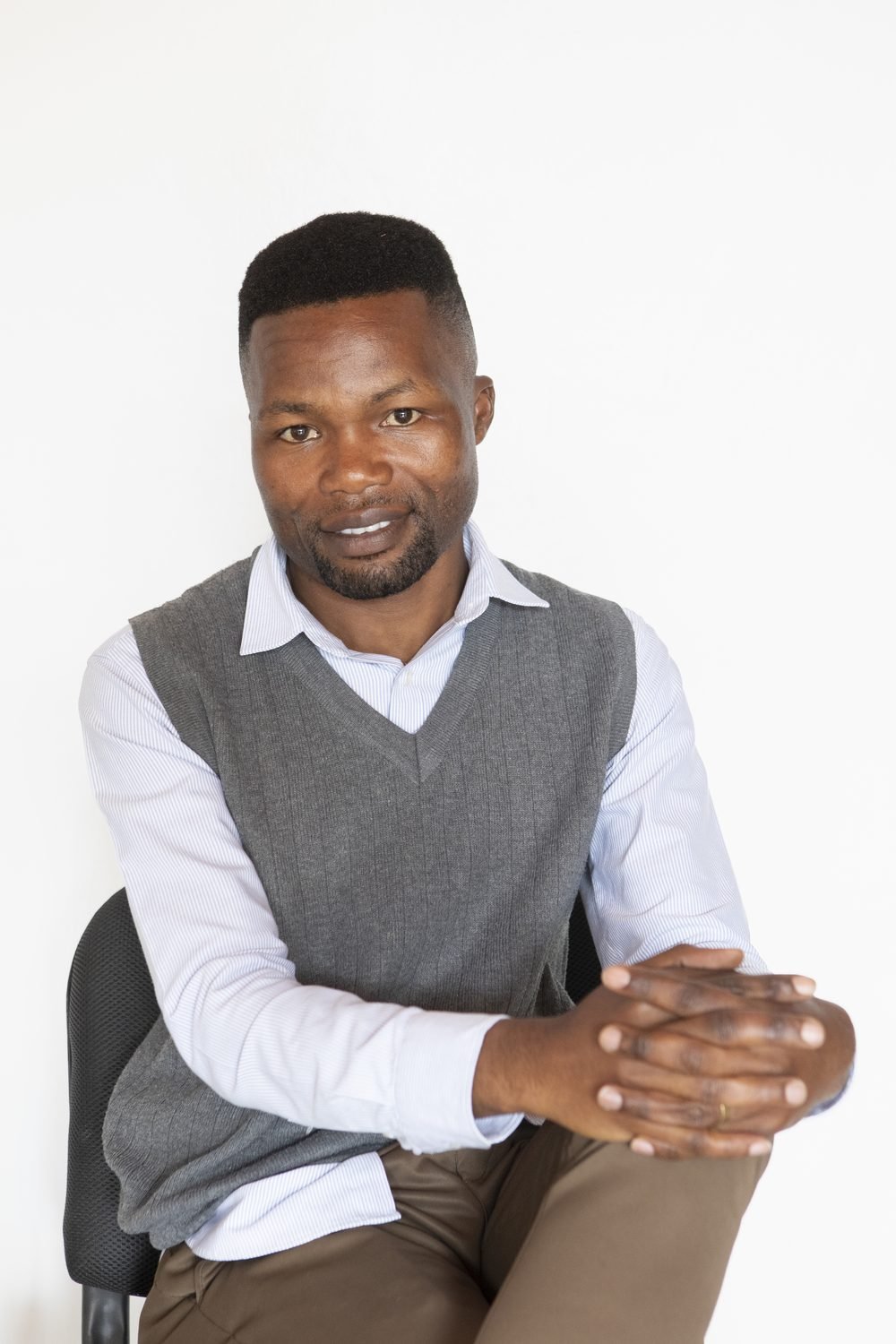
Belief.
People are born carrying a gift. That gift creates value only when it is discovered, developed, and given, inside an environment built to let that happen. Everything I build exists to be that environment.
Every person carries a gift the world needs. Left undiscovered, it stays dormant. Shaped through skill, it becomes mastery. Placed in service of others, it changes the world. Every gift needs passion, skill, and environment to fulfill its purpose.
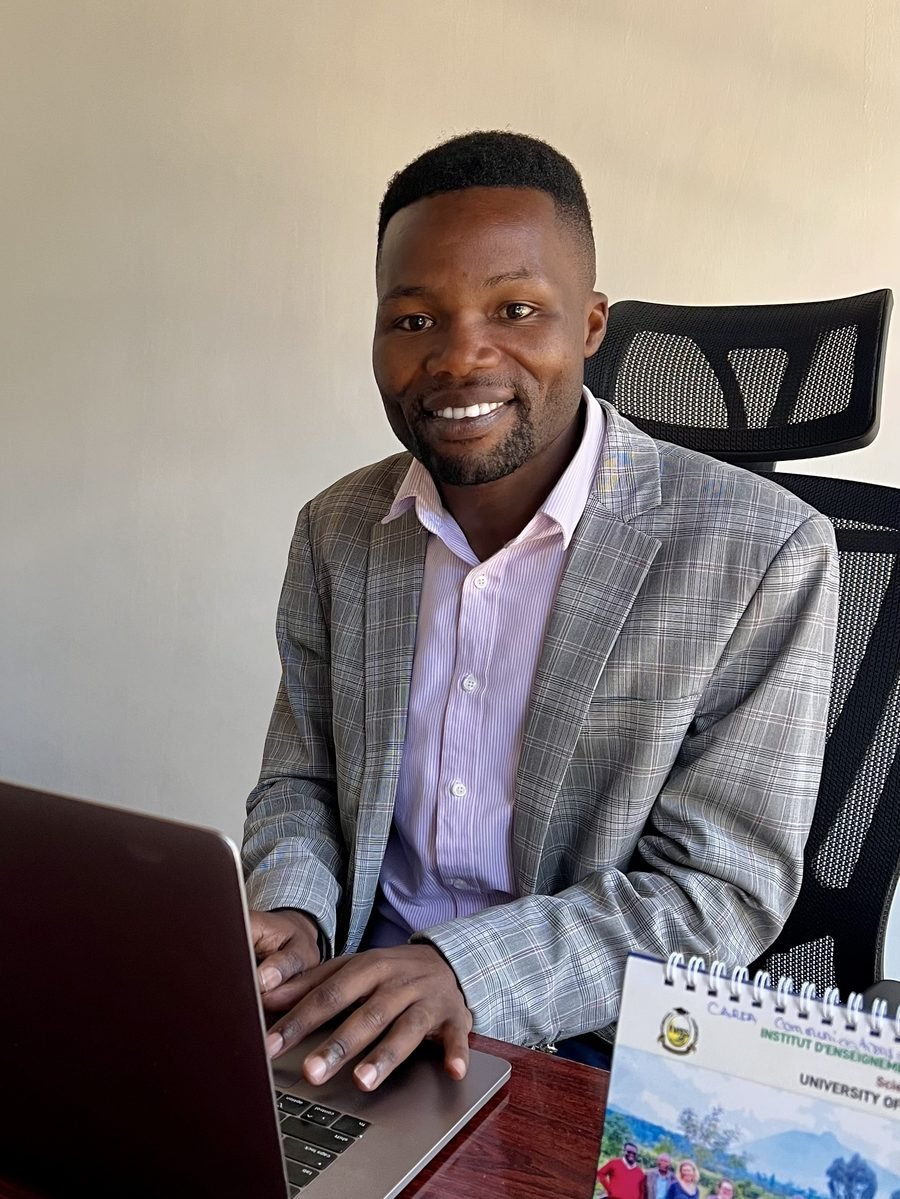
The domain this belief grew into.
I kept seeing the same pattern, in myself first, then in everyone I've mentored since. Gifted people, stuck. Real skill, going nowhere. Talent that never turned into anything, not because the talent was missing, but because nothing around it was built to carry it. Over the years the pattern became a law I could name, one that explains why value grows in some lives and quietly disappears in others. I call it Human Value Creation. I did not set out to build a theory. I needed a name for something I kept seeing.
Discover. Develop. Give.
This is the framework I return to, in my own life and in the people and organizations I work with.
Discover
Understand the gift you actually carry, not the one you assumed you should have.
Develop
Sharpen it with real skill, real mentorship, and relentless practice, until it can carry weight.
Give
Place it into the service of others. This is the step that turns potential into value.
Trust. Teamwork. Transformation.
Trust comes first because every meaningful relationship begins there. I believe trust is earned, protected, and returned. I work hard to become someone people can rely on, and I choose to build with people who live by the same standard. Whether it's a customer, colleague, employer, employee, partner, supplier, or friend, the relationship only works when trust flows both ways.
Teamwork became important to me because I grew up in an environment where conflict often stood in the way of progress. It taught me that people don't fail because they lack talent, they fail because they pull in different directions. To me, teamwork means sharing one vision while each person plays their unique role. I've always admired the way the best football teams play, not chasing individual glory, but moving as one until the goal is scored. That's the kind of team I want to build and belong to.
Transformation is the reason I do everything else. Every book I write, every film I produce, every business I build, and every piece of software I create is designed to help someone move from where they are to where they could be. Most of the people I serve aren't younger than me, they're simply facing challenges I've already walked through. If I've climbed a mountain, I believe it's my responsibility to send the rope back down for the next person.
That's the life I want to live: building trust, creating teams, and helping people transform. Those three principles guide every decision I make.
Different instruments. Same starting point.
As a natural storyteller, I use books and films to inspire personal transformation. Having grown up in poverty and conflict, I build software that helps people create wealth, strengthen relationships, and build better lives.

Journey.
A four hour walk, and a number that made sense.
I grew up in a village in western Rwanda, in a family marked by poverty and conflict. School was four hours away on foot, and I walked it anyway, there and back, every day, because it was the only thing that felt like a way out.
I was a shy child. The kind of shy that costs you something just to be in a room. So I watched. I listened more than I spoke, and I learned to read a room before I learned to read a book. For a long time that felt like being alone in a crowd. It took me years to understand it differently, that a child who watches that closely is already training the exact instinct he will need later, the one that notices what everyone else misses.
Then I discovered mathematics. For the first time, the world felt predictable. Algebra, probability, matrices, trigonometry, calculus, and geometry were not just school subjects to me. They were elegant systems. Every problem had a structure. Every equation had a logic. If something looked impossible, it simply meant I had not discovered the pattern yet. That discovery changed more than my grades. It changed the way I think.
That pattern never really stopped. In primary school, in high school, at university, and now at work, colleagues still find their way to me with the same kind of question, something about structure, about a theory that isn't holding together, about how to make sense of a mess. Mathematics gave me the first version of something that kept repeating for the rest of my life: people notice when someone can see the structure underneath the confusion.
Every next door was opened by someone else.
Opportunities rarely appear on their own. They are created by people and made possible by the environment around them. I learned that lesson early.
When I was in primary school, my family could not afford school fees or even proper clothes. Someone taught me how to weave baskets. I sold them to pay my school fees and buy the clothes I needed to stay in school. Before I ever earned a salary, someone had already created an opportunity for me to continue my education.
When I finished primary school, another opportunity appeared. My parents could not afford secondary school, but someone introduced me to an organization that sponsored my education throughout high school. That single introduction changed the direction of my life.
Those opportunities changed everything for me, but they were exceptions, not something available to every child with the same ability. That realization changed the way I see the world. Lasting transformation doesn't happen because of one lucky opportunity. It happens when people grow inside environments where opportunities exist consistently, not by accident. That is why I have dedicated my life to building environments where more people can discover, develop, and give their gifts. Whether through books, films, or software, my goal is to make opportunities the norm rather than the exception.
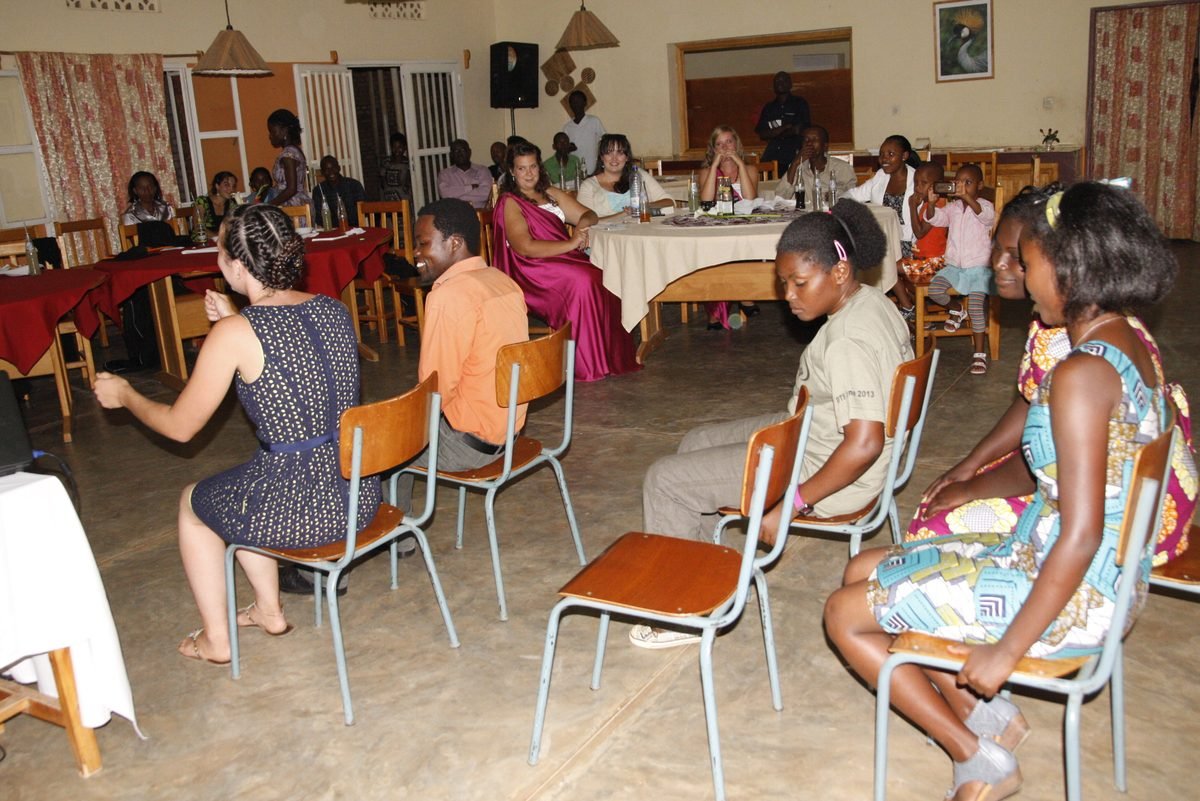
2012. Everything moved at once.
Some years shape your future more than all the others combined. For me, that year was 2012. It was the year I completed Discipleship Training School with Youth With A Mission, the year my faith and my sense of calling stopped being separate things.
It was also the year I discovered filmmaking. What began as learning to use a camera quickly became something much bigger. I realized a story can reveal a gift that someone never knew they carried. From that moment, filmmaking became more than a craft. It became one of the ways I help people discover what is possible.
In 2017, I built a film company. By 2021, it had collapsed. I learned that failure rarely comes from a lack of skill.
Faithful with the money. Not wise with it.
Years ago, I received about $10,000 in grant funding for a business. I was faithful with it, every shilling went into the business, but I was not wise with it. Furniture. Expensive office rent. A wrong hire. Money spent on the appearance of a company rather than the structure of one. Within a year, there was very little left to show for it.
Talent did not fail me that year. The absence of the right environment, and the wisdom to build one, did. That single lesson became the foundation everything I've built since stands on. Structure before scale. Wisdom before capital. An environment before an expansion.
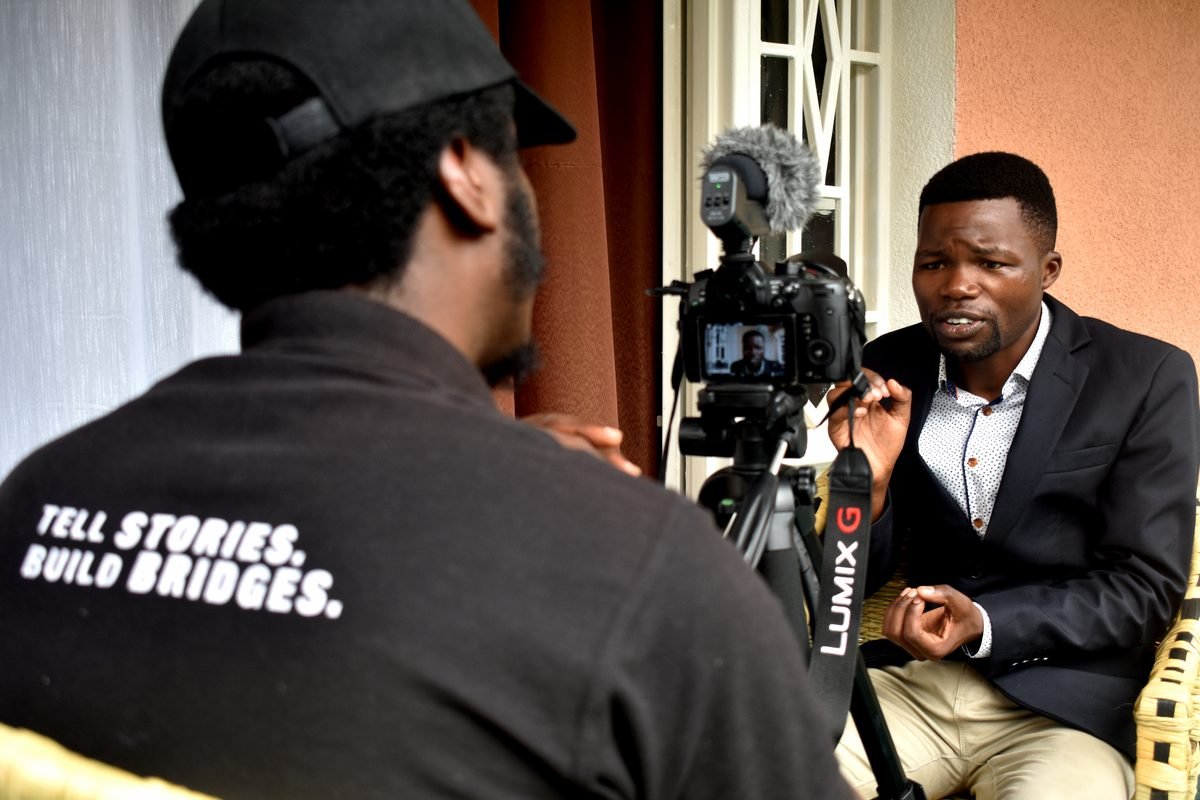
Books, films, and software, the same question in three instruments.
Passion without skill remains desire. Skill without the right environment remains underused. I spent the years after 2017 building the thing I had not been given, structure. Books became the way I make ideas transferable. Films became the way I make transformation visible. Software became the fastest way to build the actual room, not just the story about the room, where a gift can become value in someone else's hands, not only my own.
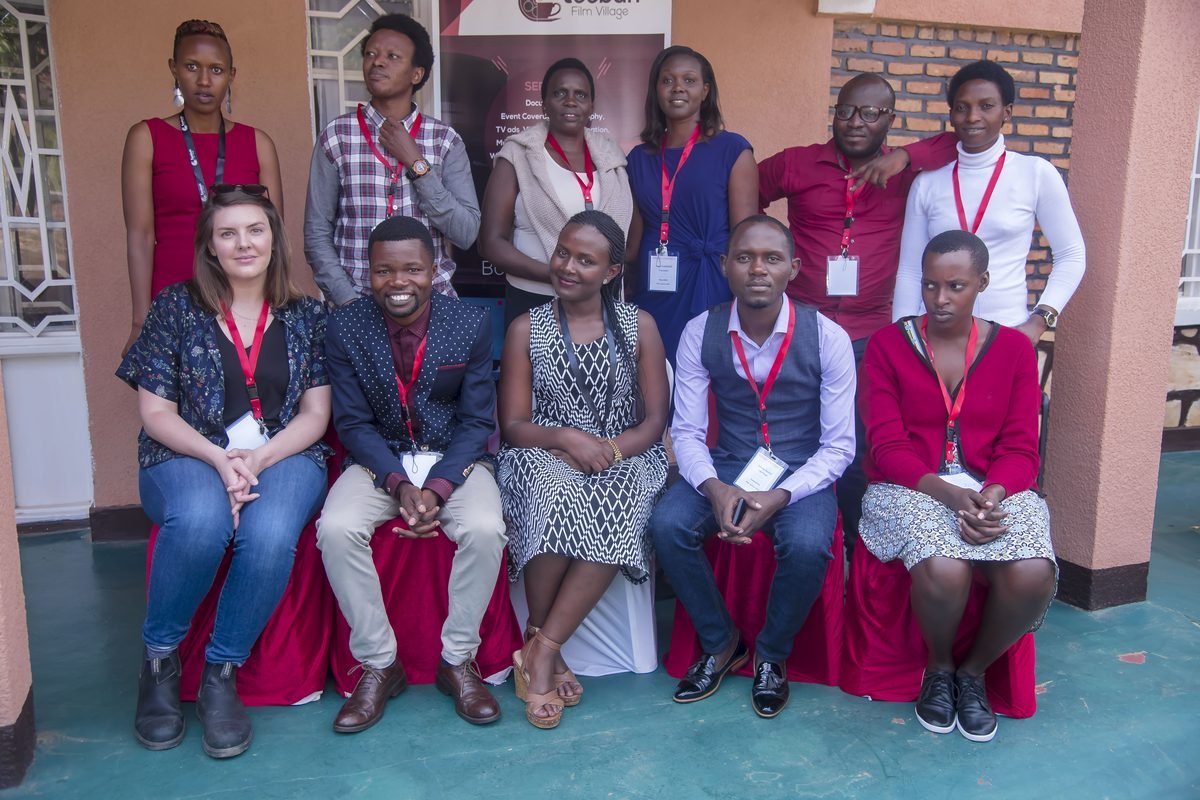
After the collapse, the company didn't disappear, it became something else. I rebuilt it as Teebah Media Village, same root, different purpose, no longer just telling stories, but building the environments where a gift can become value. Wamenta is one of those environments, where knowledge turns into income. Teamonia is another, where teams build trust daily. I am not building companies. I am an environment builder. Each of these is an environment I built, not a company that happens to build one.
Questions I am still working through.
The kind that do not resolve quickly.